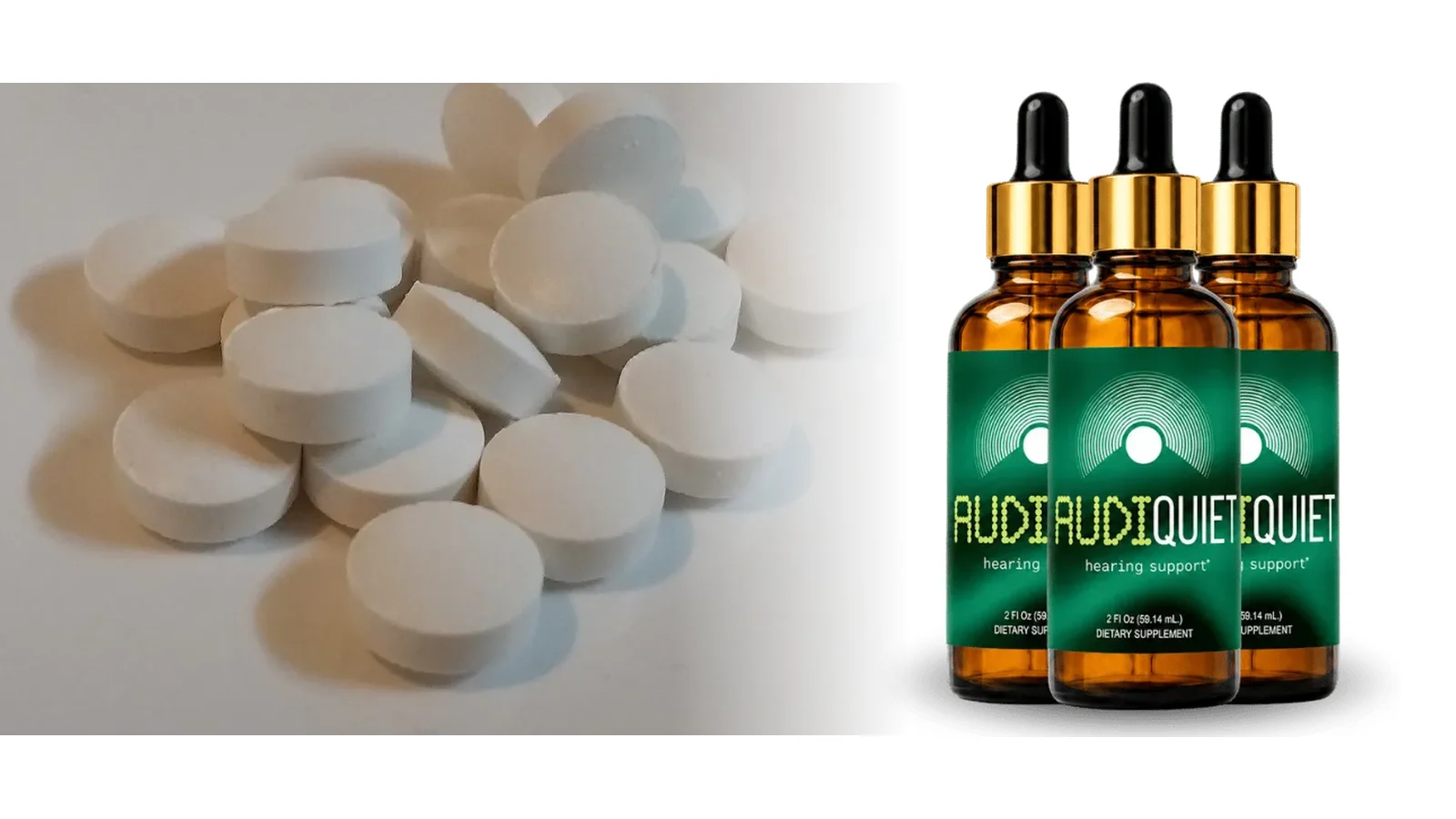
The vitamins most linked to tinnitus are vitamin B12, vitamin D, magnesium and zinc. They help most when you are low in them, and in studies, low B12 and low vitamin D were common in people with tinnitus. A blood test tells you which ones you need. The sleep, calm and circulation side that vitamins do not cover can start tonight, and the formula I would add for it is AudiQuiet, with a 60-day money-back guarantee.
When the ringing starts, the vitamin aisle is where a lot of people go first, and it is a reasonable place to look. Some of these nutrients do matter for the ear and the nerves around it. The trick is knowing which ones, who they help, and what they leave out.
I am an audio engineer, not a clinician, and I have lived with ringing for ten years. Every study below is listed at the end.
See AudiQuiet, Risk-Free for 60 Days
Best vitamins for tinnitus at a glance
| Vitamin or mineral | What the research found | Who it helps most |
|---|---|---|
| Vitamin B12 | In a small trial, tinnitus severity improved in people who were low in B12 and got B12 | People with low B12: over 50, on metformin or heartburn medicine, vegetarian or vegan |
| Vitamin D | Half of tinnitus patients in one study were deficient, against 22% of people without tinnitus | People with little sun, darker skin or a low blood level |
| Magnesium | In a small open study, 532 mg a day lowered tinnitus handicap scores over 3 months | People with noise-related ringing or low magnesium |
| Zinc | Evidence is weak overall; it matters mostly if you are low | People with a zinc deficiency |
| Ginkgo biloba (herb) | A review of 12 trials found little to no effect on its own | Not a strong pick on its own |
The pattern is clear: vitamins help most by fixing a shortfall. If your levels are fine, extra of the same vitamin is unlikely to change the ringing. That is why the rest of this page goes vitamin by vitamin, and then covers what vitamins leave out.
Vitamin B12 for tinnitus
Vitamin B12 keeps nerves, including the hearing nerve, working and insulated. Low B12 is common, and more so after 50, in people who take metformin or heartburn medicine for years, and in people who eat little or no meat.
In a 2016 pilot trial, 40 adults with long-term tinnitus got weekly B12 shots or placebo for six weeks. Seventeen of the 40 (42.5%) were low in B12. The ones who were low and got B12 saw their tinnitus severity scores improve; the others did not (Singh, 2016). The result points in a clear direction: if you are low in B12, fixing it is worth doing.
Vitamin B complex for tinnitus
A B-complex covers B12 along with the other B vitamins that support nerve function. If you would rather have the B side inside a tinnitus formula, Quietum Plus includes vitamin B in its capsule, along with zinc and calming herbs.
Vitamin D for tinnitus
A 2021 study compared 201 people with tinnitus to 99 people without it. The tinnitus group had lower vitamin D on average, and 50.7% of them were deficient, against 22.2% of the people without tinnitus. Lower vitamin D also went with tinnitus that bothered people more. The authors recommend “a vitamin D assessment for all tinnitus patients” (Nowaczewska, 2021).
That study shows a link, not that vitamin D quiets ringing. But low vitamin D is common and easy to test, which makes it one of the first things worth checking.
Magnesium for tinnitus
Magnesium is thought to help protect the inner ear from noise and to calm overexcited nerve signals, which is why it comes up so often for noise-related ringing.
In a small study at the Mayo Clinic, 26 people took 532 mg of magnesium a day for three months, and 19 finished. Among those whose tinnitus bothered them at least slightly, handicap scores fell significantly (Cevette, 2011). There was no placebo group, so it is an early result.
Which magnesium is best for tinnitus?
The study above reported the daily dose, not a single best form. For everyday use, magnesium glycinate and magnesium citrate are generally easier on the stomach and better absorbed than magnesium oxide. Magnesium can interact with some antibiotics and blood pressure drugs, and people with kidney problems should not take it without their doctor.
Zinc for tinnitus
Zinc matters for the inner ear, and low zinc is more common in older adults. The research on zinc for tinnitus is weak overall: a Cochrane review rated the evidence very low quality, and in one trial of 116 older adults, the difference between zinc and placebo was too small to count (Person, 2016). If a blood test shows you are low, correcting it is sensible. If not, extra zinc is unlikely to change the ringing.
What about ginkgo biloba?
Ginkgo is the best-studied herb for tinnitus, and a 2022 Cochrane review of 12 trials and 1,915 people found little to no effect on its own (Sereda, 2022). That is the strongest sign that a single ingredient, taken alone, is not the answer for most people.
What vitamins leave out: sleep, calm and circulation
Here is the gap. Even when your vitamin levels are fine, tinnitus is loudest when you are tired, stressed and lying in a quiet room. No vitamin is built for that part. That is what a tinnitus formula is for, and it works alongside the vitamins you already take.
AudiQuiet: the formula I would add to your vitamins
AudiQuiet is a liquid supplement taken under the tongue, morning and evening, built around the sleep, calm and circulation side:
- GABA, the brain’s main calming messenger.
- L-tryptophan, which the body uses to make serotonin and melatonin.
- Grape seed, ginseng and cayenne for healthy circulation to the ear.
- From $49 a bottle, one payment. The 3-bottle package is $207 with free shipping, about $2.30 a day.
- 60-day money-back guarantee, a full refund for any reason, and you keep the bottles.
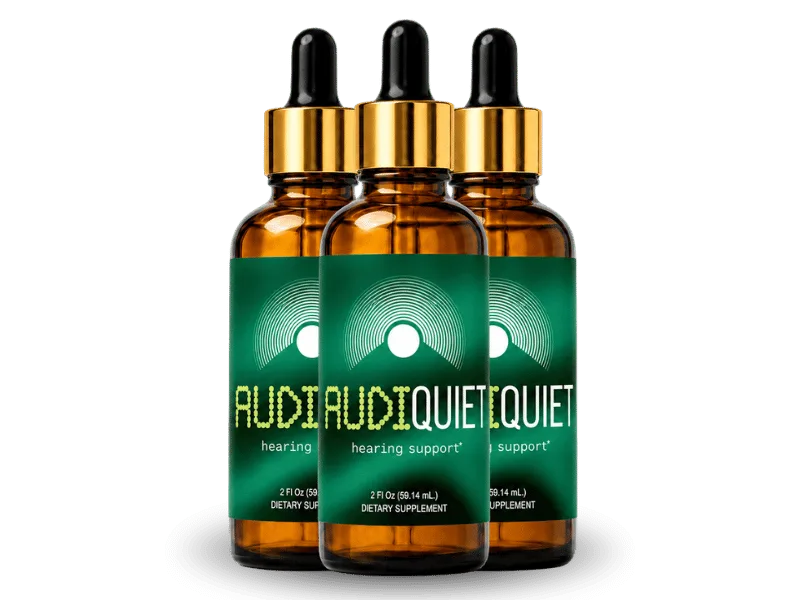
Your B12 and vitamin D cover the nutrient side; AudiQuiet covers the part that makes the ringing loudest at night. Read the full AudiQuiet tinnitus relief drops review.
Try AudiQuiet Risk-Free for 60 Days
Want vitamins and herbs in one capsule? Quietum Plus combines vitamins A and B and zinc with 15 plant extracts and amino acids, including ashwagandha and maca, with no stimulants, according to the company. It costs from $49 a bottle with a 60-day money-back guarantee. See Quietum Plus on the official website, or compare every option in the best tinnitus supplements of 2026.
How to find out if you are low
Ask your doctor for a blood test that includes vitamin B12, vitamin D (25-hydroxy vitamin D), magnesium and zinc. It is a routine panel, and the results tell you exactly which of the vitamins above are worth taking. If you take metformin, a heartburn medicine or a water pill, mention it, because those can lower some of these levels.
While you wait for results, there is no reason to wait on the rest: a steady bedtime routine, a low sound in the room at night and a formula built for sleep and calm can start tonight.
Can vitamins make tinnitus worse?
At normal doses, the vitamins above are well tolerated. Very high doses are a different story: too much vitamin D over months can raise calcium levels, too much zinc can lower copper, and high doses of niacin (vitamin B3) can cause flushing. Stick to the label dose unless your doctor sets a different one, and add one new supplement at a time so you can tell what is doing what.
One line that applies to all of this: if your ringing started suddenly, is in one ear only, pulses with your heartbeat, or came with hearing loss or dizziness, get it checked first.
Best vitamins for tinnitus on Reddit
Reddit threads on vitamins for tinnitus are full of single-vitamin stories. When you read one, look for two details: whether the person had a blood test showing they were low, and how long they took it. Those two details explain most of the difference between “it helped” and “it did nothing.”
FAQ
What are the best vitamins for tinnitus?
Vitamin B12, vitamin D, magnesium and zinc are the most studied, and they help most when you are low in them. A blood test shows which ones you need. For the sleep and calm side vitamins do not cover, AudiQuiet is the formula I would add, with a 60-day money-back guarantee.
Does vitamin B12 help tinnitus?
It can, if you are low in it. In a 2016 pilot trial, people with tinnitus who were low in B12 and received B12 saw their severity scores improve, while those with normal levels did not. Low B12 is more common after 50 and with metformin or heartburn medicine.
Does vitamin D help tinnitus?
Low vitamin D is common in people with tinnitus: in a 2021 study, 50.7% of tinnitus patients were deficient, against 22.2% of people without tinnitus. The authors recommend checking vitamin D in everyone with tinnitus.
Does magnesium help tinnitus?
In a small Mayo Clinic study, 532 mg of magnesium a day for three months lowered tinnitus handicap scores in people whose ringing bothered them. There was no placebo group, so it is an early result.
Which magnesium is best for tinnitus?
The study reported a daily dose of 532 mg, not a single form. Magnesium glycinate and citrate are generally easier on the stomach and better absorbed than magnesium oxide. Check with your doctor if you have kidney problems or take antibiotics or blood pressure medicine.
Does zinc help tinnitus?
Mostly if you are low in zinc. Reviews rate the evidence for zinc as weak overall, so a blood test is the best guide.
What vitamin deficiency causes tinnitus?
Low vitamin B12 and low vitamin D are the deficiencies most often linked to tinnitus in studies. Low magnesium and zinc are also worth checking. A routine blood test can measure all four.
Can I take vitamins and a tinnitus supplement together?
Yes. Vitamins cover a nutrient shortfall, and a formula such as AudiQuiet covers sleep, calm and circulation. Start the formula on its own for the first couple of weeks so you can tell how it feels, and keep your vitamins at the label dose.
My verdict: test, correct, then cover the rest
Start tonight with the part vitamins do not reach: the sleep, stress and quiet-room side that makes the ringing loudest. Book a blood test for the vitamin side, and correct whatever is low. For the part you can start today, I would choose AudiQuiet:
- GABA and L-tryptophan for sleep and calm, the part no vitamin covers.
- Circulation support from grape seed, ginseng and cayenne.
- Two droppers under the tongue, morning and evening, alongside your vitamins.
- About $2.30 a day in the 3-bottle package, with free shipping.
- 60 days, a full refund for any reason, and you keep the bottles.
Order the 3-bottle package, start the day it arrives, keep a one-line note each night on the ringing and your sleep, and decide on day 50. You are not deciding whether to spend $207. You are deciding whether to spend sixty days finding out, with the money waiting at the end if the answer is no.
Get AudiQuiet: 3 Bottles, Free Shipping, 60-Day Guarantee
Keep reading: the best tinnitus supplements of 2026 · AudiQuiet tinnitus relief drops review · natural remedies for tinnitus
Sources
- Singh C, Kawatra R, Gupta J, Awasthi V, Dungana H. Therapeutic role of vitamin B12 in patients of chronic tinnitus: a pilot study. Noise & Health, 2016;18(81):93-97.
- Nowaczewska M, Osiński S, Marzec M, Wiciński M, Bilicka K, Kaźmierczak W. The role of vitamin D in subjective tinnitus: a case-control study. PLoS One, 2021;16(8):e0255482.
- Cevette MJ, Barrs DM, Patel A, et al. Phase 2 study examining magnesium-dependent tinnitus. International Tinnitus Journal, 2011.
- Person OC, et al. Zinc supplementation for tinnitus. Cochrane Database of Systematic Reviews, 2016.
- Sereda M, et al. Ginkgo biloba for tinnitus. Cochrane Database of Systematic Reviews, 2022.
- Official order pages and labels of AudiQuiet and Quietum Plus, read in October 2026.
These statements have not been evaluated by the Food and Drug Administration. AudiQuiet and Quietum Plus are not intended to diagnose, treat, cure or prevent any disease. This article is informational and isn’t a substitute for evaluation by a qualified healthcare professional.
- The tinnitus is pulsatile, beating in time with your heartbeat
- It started suddenly, especially in one ear only
- It came with new hearing loss, dizziness, or ear pain
- It is affecting sleep or concentration on most days